Walk down almost any British suburban road and you can roughly date the houses by their garage fronts. There are the low brick arches of the post-war years, the pebbledash experiments of the 1970s, and the neat, squared-off openings that came later. Yet the detail that often pulls the whole picture together is not the roofline or the porch, but the garage door, a plain, practical surface that quietly shapes how a home looks.
For years, design conversations have centred on kitchens, windows and front doors, while garages have been treated as dead space. That misses the mark. A garage sits at eye level from the pavement. Its finish, proportion and opening style can make a house look either fussily updated or quietly settled. So choosing a door is less about chasing trends and more about seeing what already suits the building.
That helps explain why the up and over garage door still lasts. Not because it is flashy, but because it fits a familiar British streetscape. On many homes, especially mid-century semis and detached houses, it simply looks right in a way newer formats do not always manage. If you are comparing options, it is worth considering the style in its own right, not just as a piece of hardware.
What makes a garage door look right?
- Proportion: the door should suit the width and height of the opening.
- Surface detail: ribs, panels or a plain face can change the character of a frontage.
- Colour: white is common, but deeper tones can make brickwork look sharper.
There is something reassuring about ordinary design that lasts. Not every household feature needs reinventing. Sometimes the best choice is the one that sits comfortably with the age of the house, the rhythm of the street and the simple fact that good design often looks effortless because it does not try too hard.
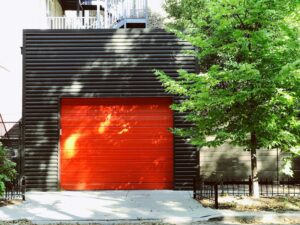
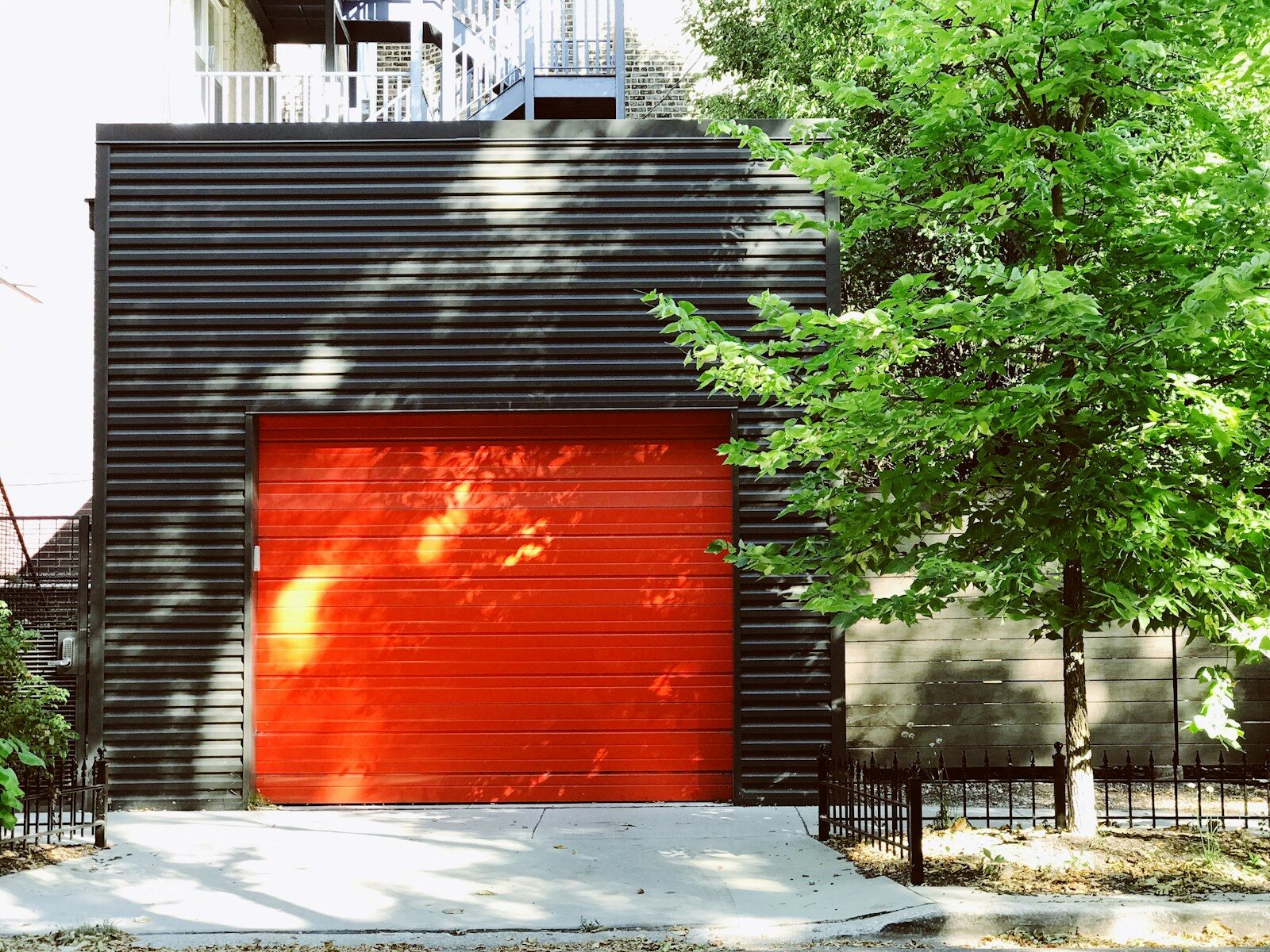
Photo by Brandi Alexandra.