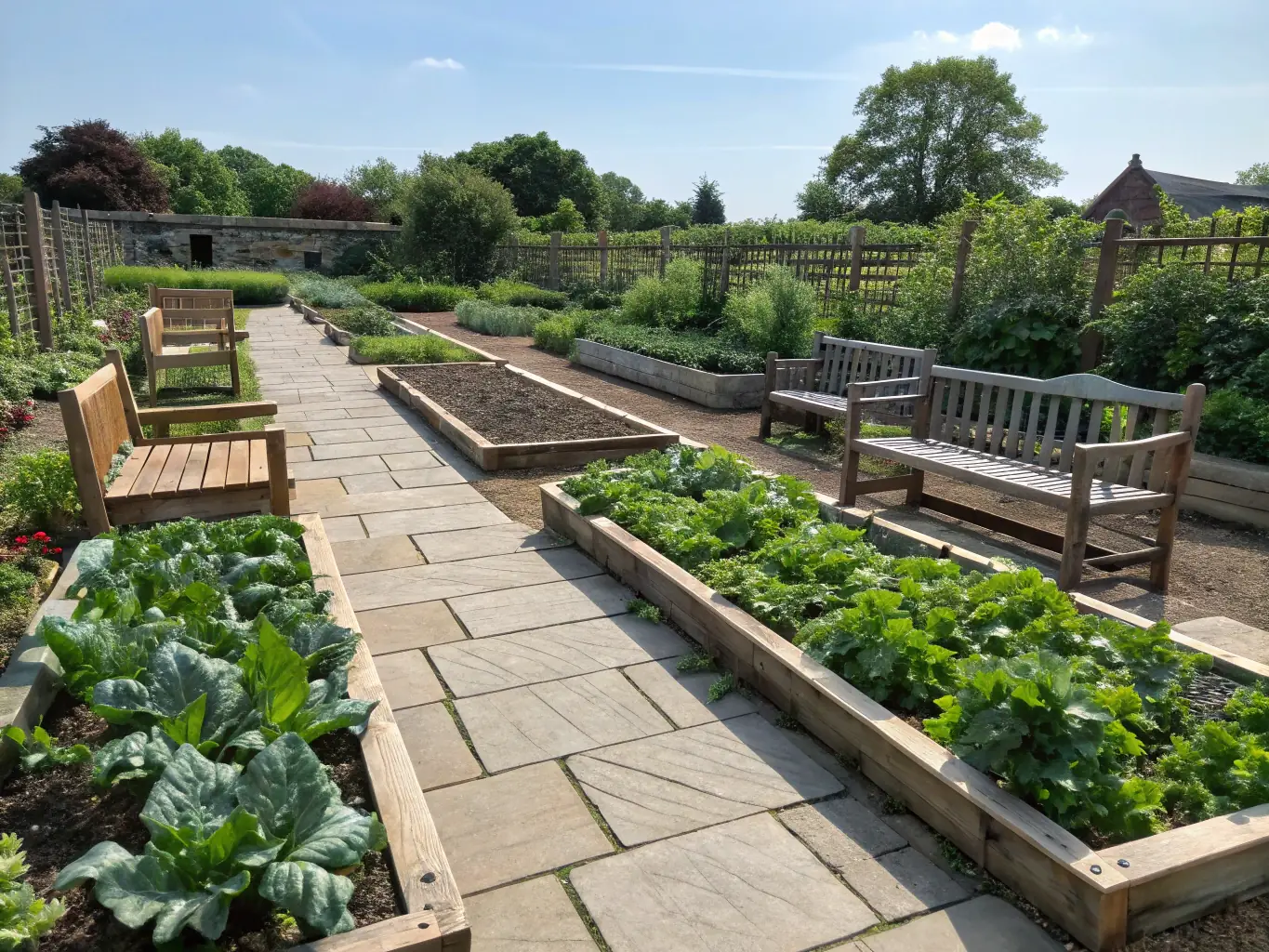
For many gardeners, September marks the point when the vegetable beds begin to look tired and attention turns towards clearing, cutting back and preparing for winter. But rather than digging over bare soil at the end of the growing season, autumn can be an ideal time to start a no-dig garden. With the right approach, you can protect the soil, suppress weeds and give next year’s crops a healthier growing environment.
What Is No-Dig Gardening?
No-dig gardening is exactly what it sounds like: instead of turning and disturbing the soil, gardeners build fertility by adding organic matter to the surface. Compost, well-rotted manure and other suitable materials are placed on top of the existing soil, where worms and microorganisms gradually incorporate nutrients into the growing environment.
The approach is particularly interesting for gardeners who are trying to improve heavy clay or tired, compacted ground without repeatedly breaking up its structure.
Why Autumn Works So Well
Autumn provides a useful window for establishing a no-dig bed because the soil is still relatively warm while rainfall becomes more reliable. Organic matter added now has months to settle before spring planting begins.
A layer of compost can also help protect exposed soil over winter. Rather than leaving beds bare, covering them reduces the impact of heavy rain and helps prevent nutrients from being washed away.
This doesn’t mean you need a pristine vegetable patch. In fact, a slightly untidy autumn garden can be beneficial. Plant residues, roots and organic matter all contribute to the soil ecosystem.
How to Start a No-Dig Bed
Choose an area that receives enough sunlight for whatever you intend to grow. If you’re converting an existing bed, there is generally no need to remove every weed first.
Cut back larger weeds and perennial growth as closely to ground level as possible. A layer of cardboard can then be used over particularly weedy ground, followed by a generous layer of good-quality compost.
For an established bed, you can simply add compost directly to the soil surface.
Aim for roughly 5–10cm of compost rather than a thin sprinkling. The idea is to create a productive growing layer while allowing the soil beneath to remain relatively undisturbed.
What About Slugs?
One concern with no-dig gardening is that leaving more organic material around the garden could create additional hiding places for slugs and snails.
Good garden hygiene still matters. Avoid creating thick, permanently wet layers of decaying material around vulnerable plants, and regularly inspect beds during damp weather. Encouraging natural predators such as frogs, birds and ground beetles can also form part of a balanced approach to pest management.
A Better Way to Think About Soil
The biggest change with no-dig gardening is perhaps philosophical. Instead of treating soil as something that needs regular cultivation, it is treated as a living environment.
That makes autumn a particularly good time to begin. While there may be less to harvest from the garden, plenty is still happening beneath the surface. Adding organic matter now gives the soil time to settle, decompose and support the organisms that will help your garden flourish next year.
You may even find that your beds require less work when spring arrives — leaving you more time for planting rather than digging.
Featured image credit: AI generated.